Elephant And Castle station removals and packing tips
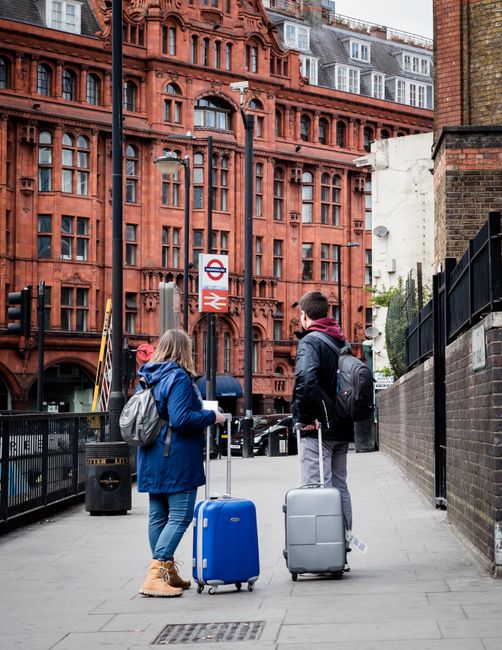
Moving near Elephant and Castle can feel straightforward on paper and slightly chaotic in real life. Busy roads, lift access that may or may not cooperate, awkward stairwells, and the usual pile of boxes that seems to multiply overnight - it all adds up. That is exactly why Elephant And Castle station removals and packing tips matter: they help you plan better, pack smarter, and avoid the kind of small moving-day problems that become big ones by 11 a.m.
Whether you are moving from a flat, a house, a student room, or an office space, the right approach can save time, reduce breakages, and make the whole move feel calmer. In this guide, you will find practical packing advice, local moving considerations, and a clear step-by-step process you can actually use. No fluff. Just the useful stuff people wish they had known earlier.
Why Elephant And Castle station removals and packing tips Matters
Elephant and Castle is one of those London locations where a move can look simple until the details start showing up. You may be dealing with shared entrances, limited parking, timed building access, narrow corridors, or a tight move-out slot. If you are near the station, you also need to think about loading access and the general rhythm of a very active part of south London. It is busy. Sometimes very busy.
Good packing is not just about neat boxes. It helps protect your belongings, speeds up loading, and lowers the risk of damage when items are carried through stairs, lifts, pavements, and vehicle ramps. That matters even more in urban moves, where one badly packed box can waste time for everyone involved.
In our experience, the smoothest moves are rarely the ones with the fewest items. They are the ones where the client has thought ahead. Labels are clear, fragile items are wrapped properly, and the essentials are packed separately. That little bit of structure changes everything.
If you are comparing options, it can also help to understand the wider moving support available, from removals and removal services to specialist help such as packing and boxes and packing and unpacking services. That way, you are not guessing. You are choosing what actually fits your move.
How Elephant And Castle station removals and packing tips Works
A successful move near Elephant and Castle usually follows the same broad pattern, even if the details differ from property to property. First, you assess the size of the move and the access conditions. Then you pack in stages, room by room, using the right materials and a sensible labelling system. Finally, the removal team loads, transports, and unloads your items in an order that reduces handling and confusion.
If you are using a smaller vehicle or a more flexible setup, services such as man with van, man with a van, or man and van can make sense for lighter moves or shorter distances. For larger homes or more complex relocations, a moving truck or removal truck hire may be a better fit.
The packing process itself should be deliberate, not rushed. Small items go into strong boxes. Fragile objects get cushioning. Heavy items stay in smaller boxes so nobody ends up trying to lift a brick disguised as a cardboard cube. A slightly unglamorous rule, but a very useful one.
For people moving from compact homes, such as apartments and shared flats, options like flat removals are often more practical than a one-size-fits-all approach. And if your move is tied to work, office removals or office relocation services may be the right route.
Key Benefits and Practical Advantages
There are several good reasons to invest time in packing properly before a move near the station. The obvious one is fewer breakages. The less obvious one is reduced stress. Once your boxes are sensible and your labels make sense, your move feels less like a mystery and more like a process.
- Faster loading: organised boxes and grouped items help movers work efficiently.
- Better protection: proper wrapping lowers the risk of chipped corners, broken glass, and bent frames.
- Clearer unpacking: labelled boxes mean you can find the kettle, bedding, or laptop charger without opening twelve random boxes.
- Less physical strain: sensible box sizes and weight distribution reduce the chance of injury.
- Better use of vehicle space: tidy packing helps fit more safely into the van or truck.
There is also a financial angle. When items are packed badly, moves often take longer. More time can mean higher costs, especially if access is awkward or parking is limited. Good prep does not make moving glamorous, but it can make it cheaper and a lot less annoying. And honestly, that is enough for most people.
If you need to clear furniture before or after the move, services like furniture removals and furniture pick up may be helpful, especially when you are dealing with bulky items that do not fit neatly into your plan. For bigger life changes, you might also need home moves or house removals.
Who This Is For and When It Makes Sense
This guidance is for anyone moving in or around Elephant and Castle who wants a calmer, more controlled move. That includes homeowners, renters, students, landlords managing end-of-tenancy handovers, and businesses shifting offices. It also helps if you are not sure whether to pack yourself or bring in extra support.
It makes particular sense if you are:
- moving from a flat with stairs or a small lift
- working to a strict check-out time
- moving valuable items such as electronics, art, or instruments
- relocating short notice and need a simple packing system
- handling a student move with limited space and storage
- trying to reduce the number of trips on moving day
Students, in particular, tend to underestimate how quickly books, kitchenware, and random cables can become a problem. A half-packed kitchen at 9 p.m. the night before a move is a special kind of stress. If that sounds familiar, student removals can be worth exploring alongside smarter packing habits.
Some people also need temporary space between addresses. If that is your situation, storage can take the pressure off while you settle the rest of the move.
Step-by-Step Guidance
Here is a practical way to tackle your move without feeling like everything has to happen at once.
- Start with a room-by-room plan. Do not pack randomly. Choose one room, finish it, then move on.
- Declutter before you box things up. If you have not used it in a year, ask whether it deserves space in your new home.
- Gather the right materials. You will need boxes, tape, markers, wrapping paper or bubble wrap, and labels.
- Pack non-essentials first. Seasonal items, spare bedding, books, decor, and rarely used kitchenware can go early.
- Keep heavy items in smaller boxes. This one is worth repeating. Small box, heavy item. Not the other way round.
- Wrap fragile items individually. Plates, glasses, mirrors, and ornaments need proper cushioning.
- Label by room and priority. Add a note such as "open first" for essentials.
- Prepare a moving-day survival box. Include chargers, toiletries, snacks, basic tools, toilet roll, and a kettle if you are the practical sort.
- Check access before the van arrives. Stair access, lift booking, parking, and building instructions all matter.
- Keep documents and valuables with you. Passports, keys, cash, contracts, and jewellery should not disappear into a random box.
If you are moving a piano, specialist handling is wise. Piano removals are not a "let's just wing it" job. They need care, planning, and the right equipment. Same goes for unusually heavy or awkward items.
One small but important point: leave yourself a little breathing room. If you think packing will take one evening, give it two. Time always gets shorter when the tape dispenser vanishes. It just does.
Expert Tips for Better Results
These are the details that tend to separate an okay move from a genuinely smooth one.
Use a consistent labelling system. For example, write the room name, a short contents note, and whether the box is fragile. Keep it simple. A box that says "Kitchen - pans and mugs - fragile" is far more useful than "miscellaneous".
Pack by priority, not just by room. You will want the first-night items easy to reach. Bedding, toiletries, medication, a phone charger, and a clean mug matter more than decorative cushions. Much more.
Protect corners and surfaces. Furniture corners get damaged when they are bumped against door frames, walls, or stair rails. A little padding goes a long way.
Balance every box. Heavy items at the bottom, lighter items on top. If a box feels dangerously dense, repack it.
Keep cables together. Use ties or small bags so your electronics do not turn into a knot of confusion later. We have all opened a box and found three chargers, none of which fit anything. Frustrating, to be fair.
Take photos of complex setups. If you are dismantling shelves, desks, or media units, photos before disassembly can save a lot of head-scratching at the new place.
Think about access, not only packing. Elephant and Castle moves often involve shared spaces, stairs, or timing restrictions. A well-packed box that is impossible to manoeuvre is still a problem.
If you are moving something large but not quite full-house scale, a flexible option like removal van support may be enough. For larger or business-led projects, you may need a broader commercial moves setup instead.
Common Mistakes to Avoid
Most moving headaches come from a handful of avoidable errors. The good news? They are easy to spot once you know what to look for.
- Overfilling boxes: this causes breakages, slow loading, and sore backs.
- Poor labelling: if you cannot tell what is in a box, unpacking becomes a treasure hunt.
- Leaving packing until the last minute: rushed packing leads to forgotten items and damage.
- Ignoring building access rules: missed lift slots or parking restrictions can derail the schedule.
- Packing essentials too early: then you spend the first night hunting for toothpaste.
- Using weak boxes: old boxes are often tired, and tired boxes collapse at the worst possible moment.
Another common mistake is trying to move too much without enough help. A single small van is perfectly fine for some jobs, but not every job. Choosing between man with van, man with a van, and bigger vehicle support should come down to volume, access, and how much heavy lifting you want to do yourself.
Truth be told, the biggest issue is usually not the move itself. It is underestimating how much time packing takes. That is where people get caught out.
Tools, Resources and Recommendations
You do not need specialist equipment for every move, but the right basics help a lot. Here is the short list I would keep close:
- double-walled cardboard boxes for heavier or fragile items
- strong packing tape and a dispenser
- marker pens with thick, readable writing
- paper, towels, or protective wrap for cushioning
- zip bags for screws, brackets, and cables
- labels or coloured stickers for room sorting
- blankets or covers for furniture protection
It is also worth thinking about the service side of the move. Some people want full help from packing through to unloading. Others just want transport. If you are in the first group, packing and unpacking services can save a lot of time. If you prefer a more self-managed move, then a simple transport solution may be enough.
For anyone looking to compare support levels, it can help to review removal companies and the wider removal services available, rather than choosing on price alone. Cheap is useful only if the move actually works.
And yes, if you are replacing old furniture during the move, disposal or onward collection can be part of the plan too. Options like furniture removals can help reduce clutter before you settle in.
Law, Compliance, Standards, or Best Practice
For most household moves, the main compliance concerns are practical rather than legal drama. The important things are safe lifting, secure transport, sensible access arrangements, and clear expectations with your mover. In the UK, reputable removal firms should operate with health and safety in mind, especially when handling heavy items, fragile belongings, or shared building access.
Best practice usually includes:
- clear communication about access, timing, and any obstacles
- careful handling of items that may be fragile or unusually heavy
- appropriate vehicle loading so items are stable in transit
- consideration for building rules, neighbours, and parking arrangements
- transparent terms about what is and is not included
If you want extra reassurance, it is sensible to check details around health and safety policy, insurance and safety, and terms and conditions before booking. That is not overthinking. It is just tidy planning.
Payment confidence matters too, especially if you are arranging a bigger move or booking in advance. You may also want to review payment and security and the provider's approach to pricing and quotes. A straightforward quote process is usually a good sign.
On the sustainability side, many people now prefer to reduce waste where possible. Reuse good boxes, recycle what you can, and avoid chucking out items simply because they are annoying to pack. If you are interested in that side of the move, recycling and sustainability is a useful area to review.
Options, Methods, or Comparison Table
Not every move needs the same setup. The right method depends on how much you are moving, how much help you want, and how difficult access is near the station.
| Option | Best for | Strengths | Watch out for |
|---|---|---|---|
| Man and van | Small flats, student moves, lighter loads | Flexible, often quicker to book, simple for local jobs | May be too small for larger households |
| Removal van | Medium-sized domestic moves | Good balance of space and manoeuvrability | Needs sensible packing to maximise space |
| Moving truck | Large homes, office relocations, bulkier loads | More capacity, fewer trips | Can be trickier around tight access or parking |
| Packing and unpacking services | Busy households, time-poor movers, fragile items | Saves time, reduces packing stress, improves organisation | Needs early booking and clear instructions |
| Storage | Gap between move-out and move-in dates | Flexible, reduces pressure on moving day | Requires sorting and labelling so items are easy to find later |
If your move includes a lot of furniture, a bigger vehicle or a dedicated team is often worth it. If you are only moving essentials, a smaller setup might be perfectly enough. The trick is matching the service to the job, not the other way round.
Case Study or Real-World Example
Picture a typical move from a one-bedroom flat near Elephant and Castle station. The property has a shared entrance, a lift that is booked for a narrow time window, and a few awkward items: a bookcase, a desk, a TV, several boxes of kitchenware, and a couple of plants that nobody wants to forget until the very last minute.
The move goes smoothly because the packing was done in stages. Fragile items were boxed separately. Books stayed in small boxes. The kettle, mugs, bedding, and phone chargers were packed into one clearly marked "first night" box. Furniture screws were stored in labelled bags taped to the relevant item. Nothing magical. Just organised.
On moving day, the team could get straight to loading because there was no guesswork. The lift slot was used efficiently, boxes were stacked safely, and the whole process felt manageable rather than frantic. The client could concentrate on keys, paperwork, and the odd emotional look back at the old place. You know the one.
What made the difference was not speed alone. It was preparation. A move near the station can be busy and noisy, but it does not have to be messy.
Practical Checklist
Use this checklist in the final days before your move.
- Confirm move date, access times, and any parking or building restrictions
- Separate fragile, valuable, and essential items
- Finish packing non-essentials first
- Label every box clearly by room and priority
- Prepare a first-night box
- Keep documents, keys, and valuables with you
- Dismantle furniture only if you can store fixings safely
- Protect mattresses, mirrors, and large screens
- Check whether storage is needed between addresses
- Review your quote and understand what is included
Quick takeaway: if you stay organised, pack by priority, and match the vehicle and service level to the size of your move, Elephant and Castle relocations become much easier to manage. Simple, yes. But simple works.
Get a free quote today and see how much you can save.
Conclusion
Elephant and Castle moves do not need to be overwhelming. With the right packing approach, a realistic plan, and the right level of removal support, the whole thing becomes far more manageable. That is really the heart of good moving advice: reduce uncertainty, protect your belongings, and keep your first day in the new place as calm as possible.
If you are moving near the station, think about access early, pack with purpose, and do not leave essentials to chance. A little structure goes a long way. And when the boxes are stacked neatly and the last lamp is wrapped, you will feel it - that small sense of relief that means the hard part is already behind you.
Take it one room at a time, keep the kettle reachable, and let the rest follow.
Frequently Asked Questions
What is the best way to prepare for Elephant and Castle station removals?
The best approach is to plan around access first, then pack room by room with clear labels. Near the station, timing and loading space matter as much as the boxes themselves. A tidy plan reduces delays and makes the move feel less pressured.
How early should I start packing before moving day?
Ideally, start with non-essentials one to two weeks ahead if you can. If you are busy, even a few focused sessions help. The main thing is to avoid leaving everything for the final evening, because that is where stress tends to spike.
What should go in a first-night box?
Pack essentials such as toiletries, chargers, medication, a change of clothes, toilet roll, snacks, tea or coffee, basic kitchen items, and bedding. Keep it with you or make sure it is the last thing unloaded.
Are man and van services suitable for moves near Elephant and Castle?
Yes, for smaller moves, student relocations, or lighter loads, they can be a practical option. For larger homes or more furniture, you may need a bigger vehicle or fuller removal support.
How do I protect fragile items when packing?
Wrap fragile items individually, fill empty space inside boxes so items do not shift, and use smaller boxes for delicate or heavier breakable objects. Labels matter too - "fragile" helps, but only if the packing underneath is done properly.
Is storage useful during a move?
Yes, especially if your move-out and move-in dates do not line up neatly. Storage can also help if you are downsizing or sorting through belongings before settling into your new place.
What is the difference between a removal van and a moving truck?
A removal van is usually better for smaller or medium moves and easier access, while a moving truck suits larger loads and fewer trips. The best choice depends on volume, access, and how much furniture you have.
Should I use packing and unpacking services?
If you are short on time, dealing with fragile items, or simply want less stress, yes - it can be a smart choice. It is especially useful for busy households and office moves where time matters.
What are the most common packing mistakes?
Overfilled boxes, poor labelling, leaving essentials unpacked too late, and using weak boxes are the big ones. People also forget to check lift bookings, parking arrangements, and access instructions, which can cause avoidable delays.
How do I know which removal service is right for me?
Start with the size of your move, your access conditions, and how much help you want. Smaller moves often suit a man and van setup, while full house moves, office relocations, or bulky furniture may need more substantial support.
Can furniture be collected or removed separately from the rest of the move?
Yes. If you only need certain items taken away, furniture-specific support can be helpful. That is often useful when clearing space before moving day or getting rid of bulky pieces that will not fit in the new property.
What should I check before booking a removal company?
Check the quote details, what is included, access assumptions, and the company's approach to safety and insurance. It is also wise to read the terms carefully so there are no surprises later. A few minutes now can save a lot of hassle.